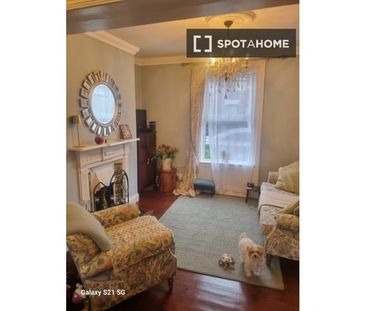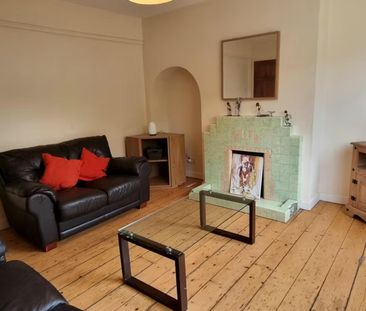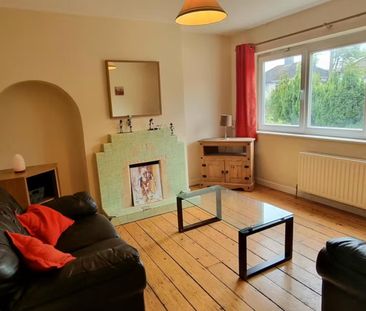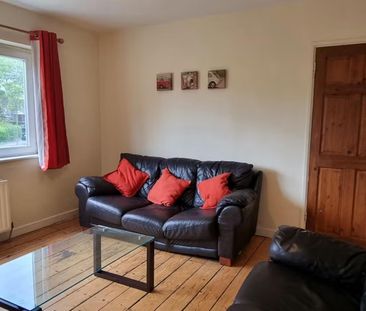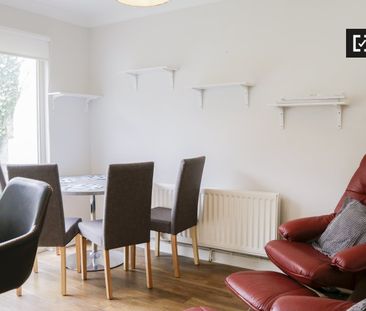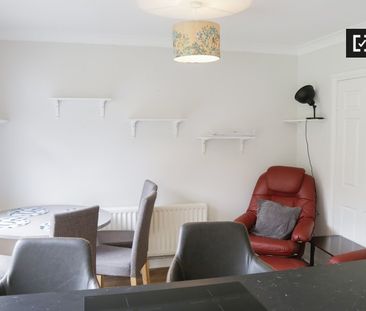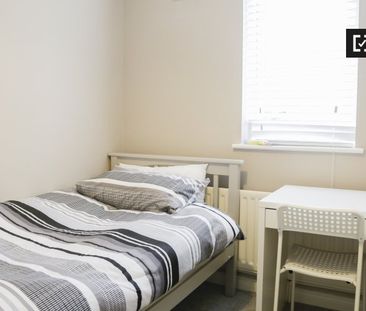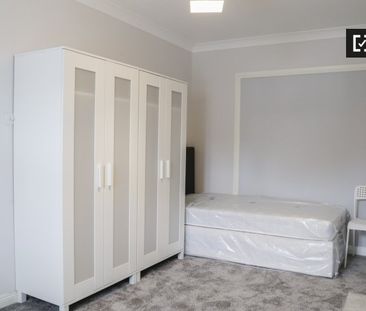

Clock

We scan 93 rental sites hourly

We find hundreds of new homes every hour.
Next update in: --m --s
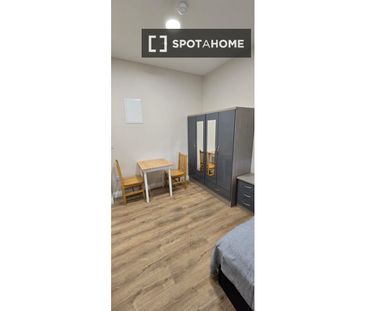
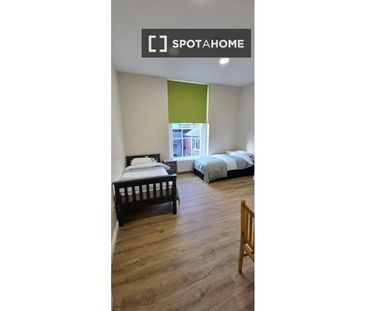
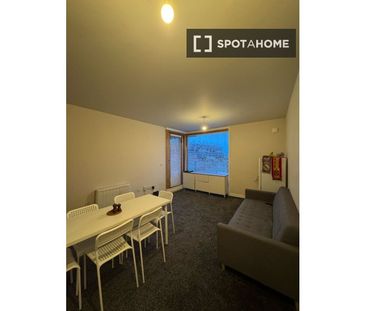
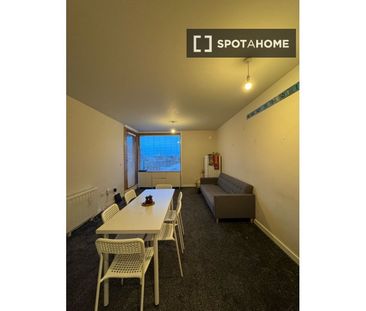
Sorry, the listing has been deactivated. Check the search results for similar listings below
SearchAgent icon
Get notified

Receive direct updates of similar homes.

SearchAgent icon
Get notified

Receive direct updates of similar homes.

SearchAgent icon
Get notified

Receive direct updates of similar homes.

Rentumo · Dublin Rental Guide

How to rent an apartment, house or room in Dublin in 2026 — from the people who watch the listings all day

The Dublin rental market is tight, fast-moving, and stitched together with small rules most newcomers don’t know. Here is what an apartment, flat or room actually costs right now, which neighbourhoods still make sense, and the documents you need ready before you even book a viewing.

By The Rentumo Editorial Team  ·  Updated 20 April 2026  ·  9 min read

Long Room, Trinity College Dublin

The magnificent Long Room of the Old Library at Trinity College Dublin, home to the Book of Kells. Wikimedia Commons / Diliff / Wikimedia Commons · CC BY-SA 4.0


Where To Live

Neighbourhoods in Dublin at a glance

NeighbourhoodTypical 1-bedTypical 2-bedBest for
Ranelagh (D6)€2,200–€2,600€2,600–€3,200Luas, Georgian terraces, food scene
Portobello (D8)€2,100–€2,500€2,500–€3,000Canal walks, 15-min walk to Trinity
Rathmines (D6)€1,900–€2,300€2,300–€2,800Students, UCD commuters, value
Drumcondra (D9)€1,800–€2,200€2,200–€2,700Airport, DCU, quiet north side
Stoneybatter (D7)€1,900–€2,300€2,300–€2,800Creative scene, Phoenix Park
Sandymount (D4)€2,300–€2,700€2,700–€3,400DART, beach, embassy belt
Dun Laoghaire€1,900–€2,300€2,300–€2,800Sea views, DART, 25 min to centre
Clontarf (D3)€1,800–€2,200€2,200–€2,700Bull Island, families, north coast

Ranges reflect asking rents observed across Rentumo’s feed in 2026 Q1. Individual properties — particularly period conversions and new-builds with BER A ratings — sit above the top of each band.


The Process

How to rent an apartment in Dublin, step by step

The mechanics of renting in Dublin haven’t changed much in the last five years. What has changed is how fast you have to move. Here is the sequence that works, condensed from what we see every week on the platform.

Trinity College Dublin campus

The iconic front facade of Trinity College Dublin, Ireland's oldest university, founded in 1592. Wikimedia Commons / Wikimedia Commons · CC BY-SA 4.0

  1. Set your budget honestly.Irish landlords look for your rent to be no more than 35–40% of your net monthly income. If you’re applying as a couple, they’ll look at combined net pay. Be realistic before you start viewing — Dublin applications are rarely won on charm.
  2. Assemble your application pack before you view.One PDF, clearly named. Photo ID, PPS number, three months of payslips or a contract of employment, three months of bank statements, a landlord reference (or two), and — if you’re a non-EU national — your Irish Residence Permit.
  3. Search live, not stale.Use Rentumo’s aggregated feed instead of refreshing any single portal. We deduplicate listings across every major Irish rental site, so you see each new flat once, the moment it goes live.
  4. Set email alerts for your exact criteria.Pick a price ceiling, minimum bedrooms, and the two or three neighbourhoods you’d actually take. The best Dublin listings are let to the first five people through the door — alerts put you in that group.
  5. View in person.Never wire a deposit to a property you haven’t walked through. Irish rental scams almost always fail at this step — the “landlord” suddenly can’t meet. Check damp, heating, the BER rating, and whether doors and windows actually seal.
  6. Submit the same day.A one-paragraph email, attached application pack, and a line about why you specifically want this flat. Agents rarely read past the first three applications — be one of them.
  7. Sign and pay only after RTB verification.Before you transfer the deposit, ask the landlord for their RTB registration number and confirm it on the RTB public tenancy register. Only then sign a written tenancy agreement and pay.

Paperwork

What you need in your application pack

Put everything into a single PDF named Lastname Firstname Rental Pack.pdf. If the agent has to chase you for a missing document, your application is already second in line.

  • Photo ID — passport or driving licence.
  • Your PPS number (the Irish tax ID).
  • Proof of income: three recent payslips or a signed employment contract.
  • Three months of bank statements.
  • A reference from your previous landlord (one page, signed).
  • An employer reference, if you’re new to Ireland.
  • Irish Residence Permit, for non-EU/EEA applicants.

Avoiding The Traps

The three Dublin rental scams we see every week

Trinity College Dublin grounds

Trinity College Dublin's historic cobblestone campus in the heart of the capital city. Wikimedia Commons / Wikimedia Commons · CC BY-SA 4.0

1. The deposit-only scam. “I’m abroad, the keys are with a friend, just send the deposit and I’ll courier a key.” Never. Always view the property in person. If the landlord is genuinely away, their registered agent will meet you on site.

2. The copied listing. Fraudsters lift photos and descriptions of real flats from the big Irish portals or from Rentumo, republish them elsewhere at a 20–30% discount, and ask you to transfer a “holding fee”. If a flat is meaningfully cheaper than its neighbours, reverse-image-search the photos before you do anything else.

3. The unregistered sub-let. The person “letting” the flat is themselves a tenant breaching their lease. You move in, pay a deposit, and six weeks later the real landlord shows up to evict you. Asking for the RTB registration number and checking the public register takes five minutes and prevents this entirely.

If it happens to youReport suspected rental scams to An Garda Síochána and to the RTB. If the listing originated on Rentumo, use the “Report listing” link on the detail page — those reports are triaged within 24 hours.


Common Questions

Questions readers ask about renting in Dublin

Can a landlord ask for more than one month’s deposit?+

No. Under the Residential Tenancies (Amendment) Act 2021, the total deposit plus any advance rent is capped at two months of rent. A one-month security deposit is the practical norm in Dublin.

Are utilities usually included in Dublin rent?+

In most entire-apartment listings, utilities are separate. In rooms and professional house shares, “bills included” (electricity, gas, broadband, refuse charge) is common and adds roughly €80–€140 of value per month.

What is a BER rating and why do agents mention it?+

BER stands for Building Energy Rating, from A (best) to G. In a Dublin winter, the difference between a B-rated apartment and an E-rated one is €80 to €150 a month in heating bills. Always check the BER on the listing.

How far in advance should I start looking?+

Four to six weeks. Dublin landlords prefer tenants who can move in within a fortnight of viewing. Starting earlier than six weeks usually means re-doing the work — listings turn over too quickly for long lead times.

Can my rent go up during my tenancy?+

Yes, but only once every 12 months, and only within the Rent Pressure Zone cap — 2% or the HICP inflation rate, whichever is lower. The landlord must give you at least 90 days’ written notice and cite the RTB RPZ calculator figure.
Do I need an Irish guarantor?+

Not usually, if you can show Irish employment income. If you’re a student or freshly arrived, some Dublin landlords will ask for a guarantor or up to two months’ rent paid up front — both within the legal cap.

Life Here

Living in Dublin in 2026

Dublin in 2026 is a city of roughly 1.5 million people in the greater metropolitan area — dense enough to walk, small enough to recognise regulars in your local. Most renters are within a 25-minute commute of work, whether that’s the IFSC, Silicon Docks, the hospitals around D4, or one of the three big universities (Trinity, UCD, DCU).

Public transport runs on the Luas (tram), the DART (coastal rail), Dublin Bus, and the new BusConnects spine routes. Renters without a car tend to settle within 800 metres of a Luas Green Line or Red Line stop — that single factor shapes rental demand in Ranelagh, Smithfield, and Dundrum more than any other.

The job market is anchored by tech (Google, Meta, Stripe, LinkedIn, Workday, Intercom), professional services (the Big Four plus every major bank’s Irish HQ), pharma (Pfizer, MSD, Novartis), and a growing climate-tech cluster around the Grand Canal. If your employer is in any of those categories, Rentumo’s commute filter will show you which neighbourhoods put you within a half-hour door-to-door.


Moving From Abroad

A meaningful share of Dublin’s inbound renters arrive from the UK, the Netherlands and Germany — tech transfers, graduates, and returning Irish nationals. If you’re leaving a rental in any of those markets, Rentumo covers them too. Close the door on one side before opening the other.

Rentumo Netherlands  ·  Rentumo Germany  ·  Rentumo France  ·  Rentumo Belgium


Start Your Search

Ready to find your Dublin rental?

Browse every apartment, house and room to rent in Dublin on Rentumo — aggregated live from every major Irish rental portal and the city’s independent letting agents, in one feed, deduplicated. Set an alert, lock in your application pack, and be ready to apply on the day.

— The Rentumo Editorial Team, updated for 2026

Filters

Property type
  • Price
  • Up to 10,000
Bedrooms
  • Size
  • At least 1
Furnishing
Amenities
Logo
Close
Home icon